Trailer Axle & Bearing Guide: When to Replace
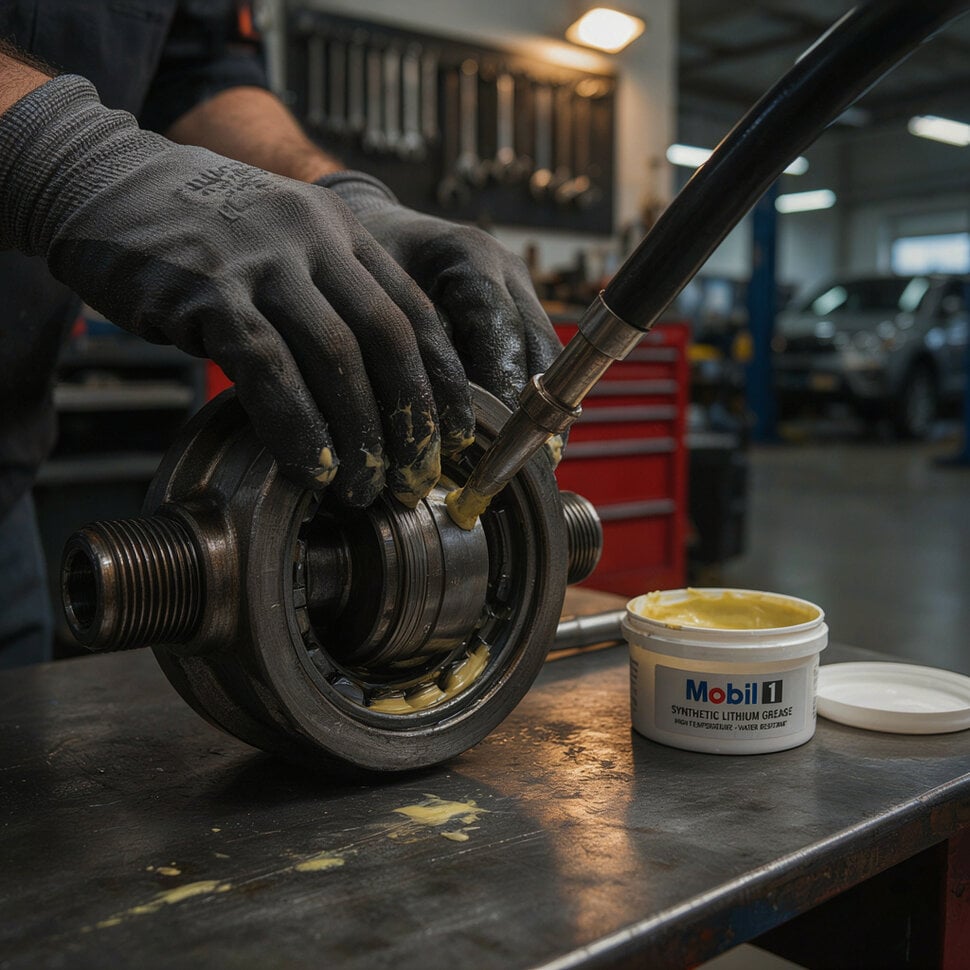
A grinding noise from the wheel, a hub that is hot to the touch after a short drive, or grease showing up on the inside of your rim are all signs your trailer wheel bearings need attention now, not at your next service appointment. This guide covers how to spot failing bearings, how often they should be serviced, and how to tell whether a repack is enough or you need a full replacement.

Photo by engin akyurt on Unsplash
Warning Signs Your Trailer Bearings Are Failing
Watch and listen for these symptoms on every trip:
- Whining, grinding, or growling noise coming from a wheel while towing
- Heat radiating from the hub after even a short drive, noticeably warmer than the other wheels
- Grease leaking around the inside of the hub or visible on the wheel or rim
- A loose or wobbly wheel when the trailer is jacked up and rocked side to side by hand
Any one of these is reason enough to pull the hub and inspect the bearing and seal before your next trip. Ignoring them risks a seized wheel or a bearing failure on the highway, which is a far more expensive and dangerous problem than a $20 seal.
The 12-Month, 12,000-Mile Rule
Most axle manufacturers recommend a full bearing repack every 12 months or 12,000 miles, whichever comes first. That schedule holds even if the trailer sat in storage for most of the year, since grease breaks down over time and seals can dry out whether or not the trailer moved. Bump up the frequency if you tow through water crossings, boat launches, or heavy rain regularly, since water intrusion is one of the fastest ways to wreck a bearing.
What Is in a Bearing and Seal Kit
A complete bearing and seal kit for a trailer axle typically includes:
- Inner and outer tapered roller bearings
- Race rings, often pre-installed in new hubs
- A grease seal
- A cotter pin or tang washer
- A grease cap, included in some kits
Kits are matched to your axle capacity and spindle size rather than sold as one-size-fits-all. Our Bearings & Seals category carries our 2.5K bearing kit (44649/44610 bearings, seal, and cap included) along with grease seals sized for 3.5K axles (1.719 inch) and 7K axles (2.25 inch), so check your trailer's axle tag before ordering.
Repack vs Full Replacement
A repack, cleaning out old grease and repacking the same bearings with fresh grease, is enough when the bearings themselves show no pitting, scoring, or discoloration and the old seal comes out intact. A full replacement is the safer call when you see any of the following during inspection:
- Pitting, scoring, or a blued or discoloured surface on the bearing
- A seal that is cracked, hardened, or already leaking
- Any play or roughness when spinning the bearing by hand
- Recent water intrusion, especially after launching a boat trailer
If you are replacing one bearing on an axle, replace both the inner and outer bearing together along with the seal. Reusing a worn bearing next to a new one just wears out the new one faster.
Matching Your Axle Rating Before You Buy
Trailer axles are rated by weight capacity, and the ratings you will run into most often are 3,500, 5,200, 6,000, and 7,000 pounds, each using a specific spindle size and bearing set. Buying the wrong kit for your axle rating is the most common mistake when doing this job yourself. Check the axle tag riveted to your trailer frame, or bring your old bearing's stamped number in when you shop, so the kit you buy matches exactly.
When to Have It Done Professionally
Repacking bearings is a manageable DIY job with the right tools, including a torque wrench, a bearing packer or grease gun, and a seal driver. That said, if you are not confident pressing in new races or setting bearing preload correctly, an improperly torqued hub can fail faster than the worn one you started with. If you would rather leave the job to us, bring your trailer into our shop and our team can handle the axle and bearing service for you, especially on tandem-axle trailers where both sides need to come apart at once.
Frequently Asked Questions
How do I know if my trailer bearings need replacing?
Listen for grinding or whining noise, check for a hot hub after driving, look for grease leaking around the rim, and check for wobble when the wheel is jacked up and rocked by hand.
How often should trailer bearings be repacked?
Every 12 months or 12,000 miles, whichever comes first, and sooner if the trailer has been through water crossings or heavy rain.
Can I reuse trailer bearings after a repack?
Yes, as long as they show no pitting, scoring, or discoloration and the seal comes out undamaged. If either the bearing or the seal looks worn, replace both.
What size bearing kit do I need for my trailer?
It depends on your axle's weight rating and spindle size. Check the axle tag on your trailer frame or bring your old bearing number with you when shopping for a replacement kit.
Is it safe to tow with a noisy wheel bearing?
No. A grinding or whining bearing can seize or fail without warning, which can cause the wheel to lock up or separate from the axle while towing.
Shop Axle and Bearing Parts at The Trailer Guys
Browse our Axle Parts and Bearings & Seals categories for kits matched to common axle ratings, or explore the full Wheels & Brakes collection for wheel chocks, hubs, and tire covers. Not sure which kit fits your trailer, or want the job done for you? Stop by 745 Route 133 in Boudreau-Ouest and our team can match the right parts to your axle rating or take care of the repack while you wait. While you are checking your wheel-end maintenance, take a look at our wheel chocks buying guide and spare tire cover sizing guide to round out the rest of your towing safety setup.
Recent articles
View all
Scissor Jacks vs Stabilizer Jacks: Which Does Your Trailer Need?
5th Wheel & A-Frame Trailer Jacks Explained